
Step 1: Use Your Moisture Meter and "Tap Out"
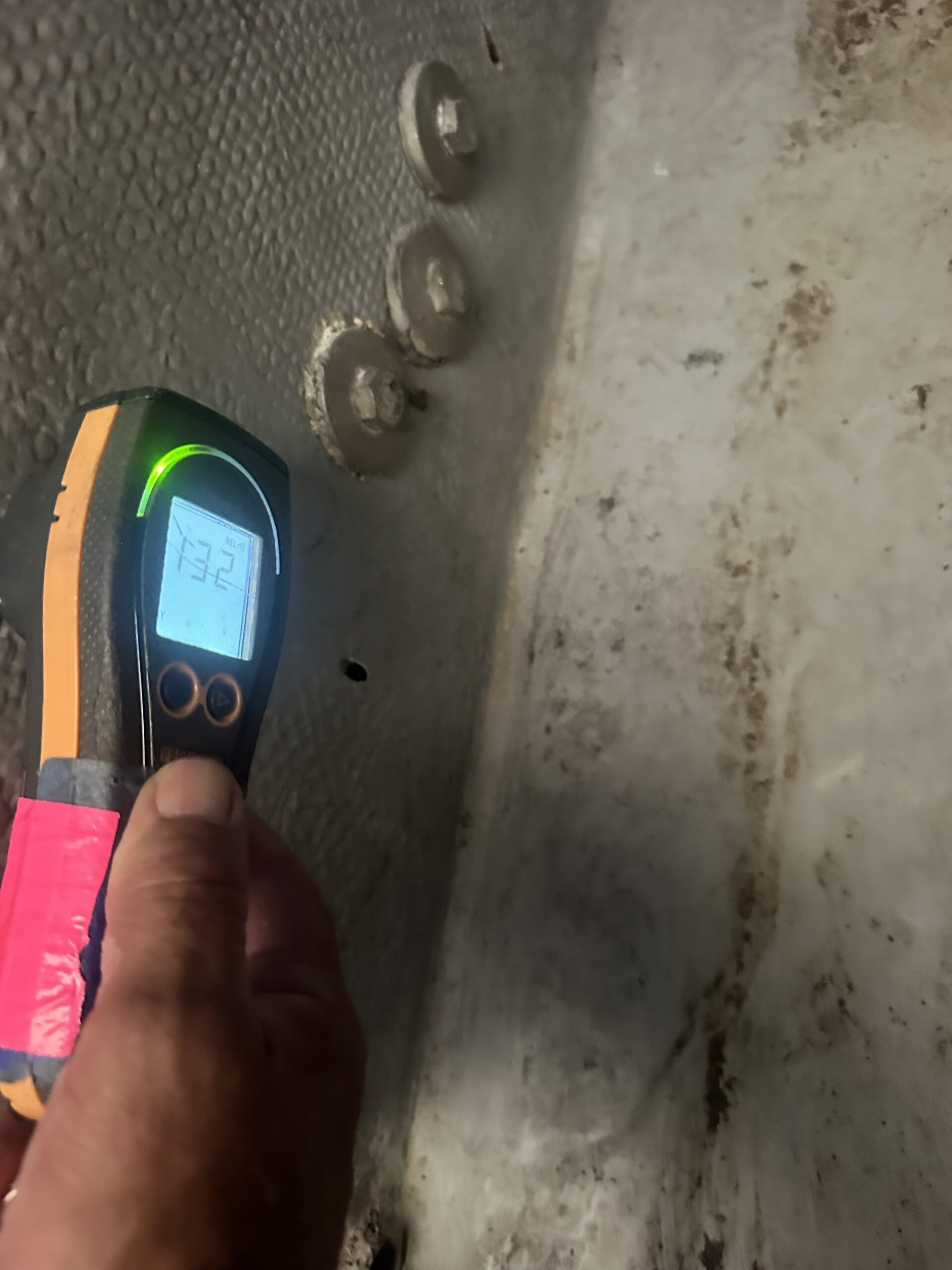
Start with using your moisture meter to get your initial readings of the saturated areas. After that, use a small phenolic hammer to "tap out" the surface. Wet wood produces a dull, heavier sound, while rotted coring typically sounds hollow.

Step 2: Label The Wet Areas
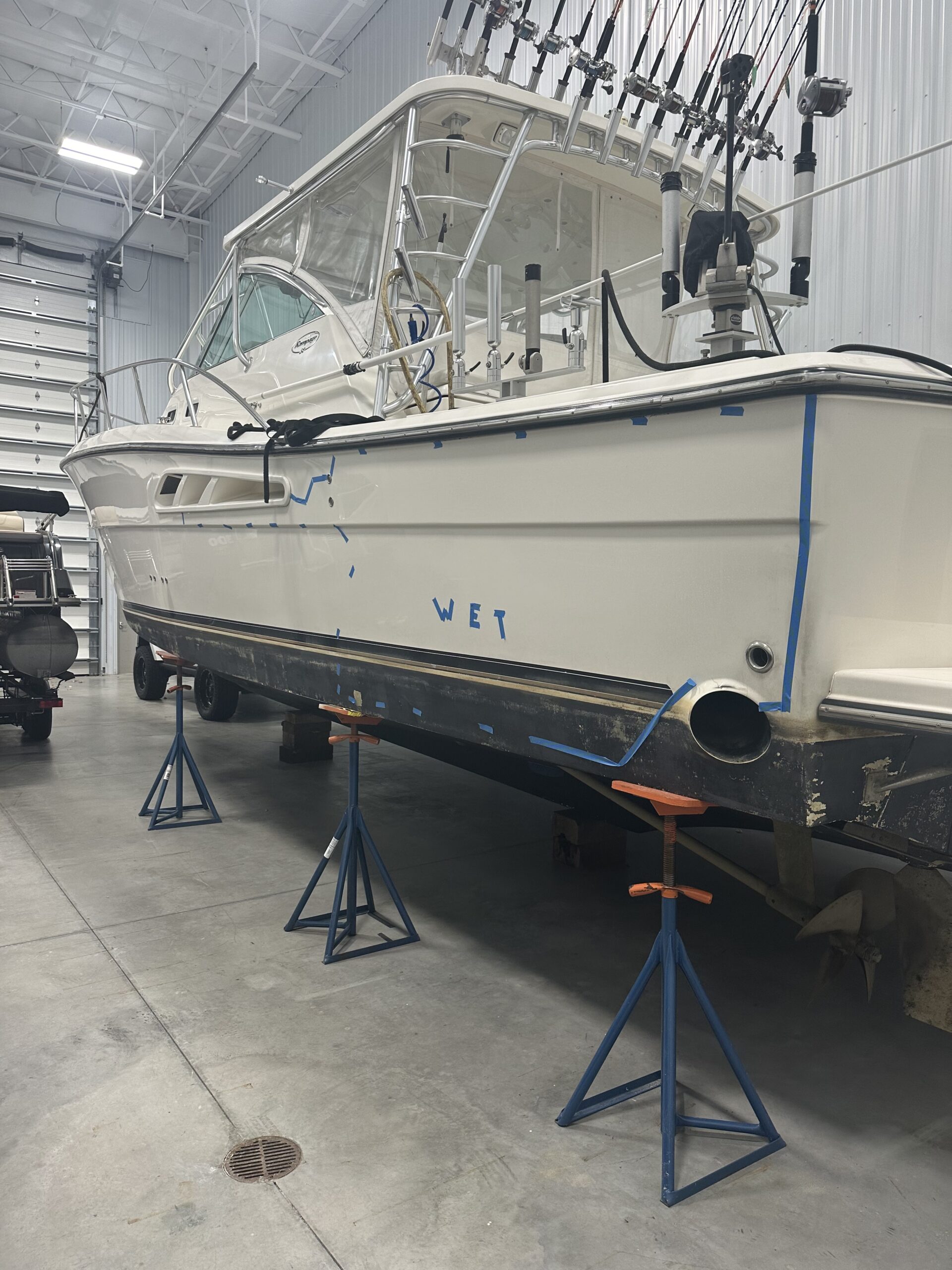
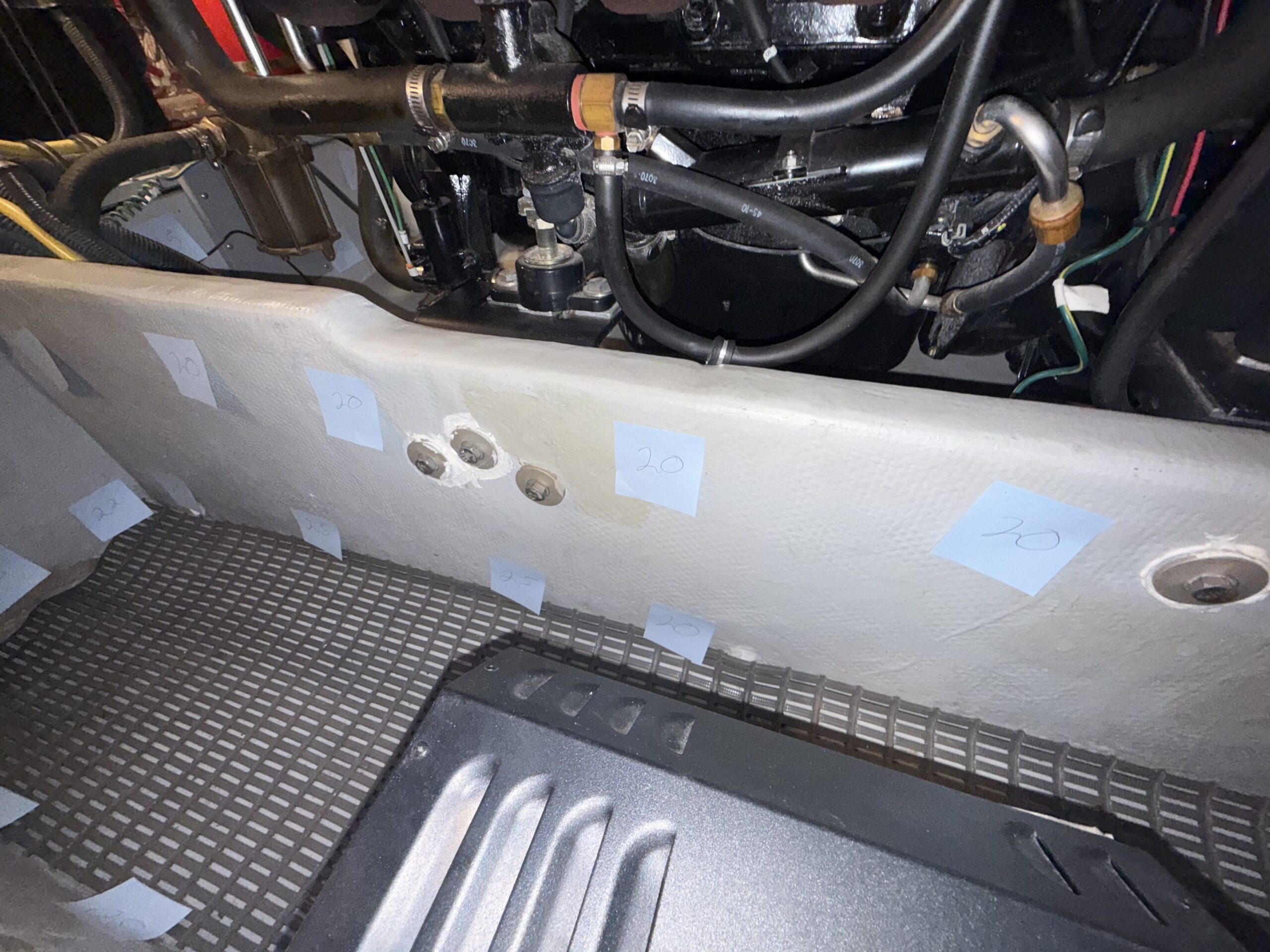
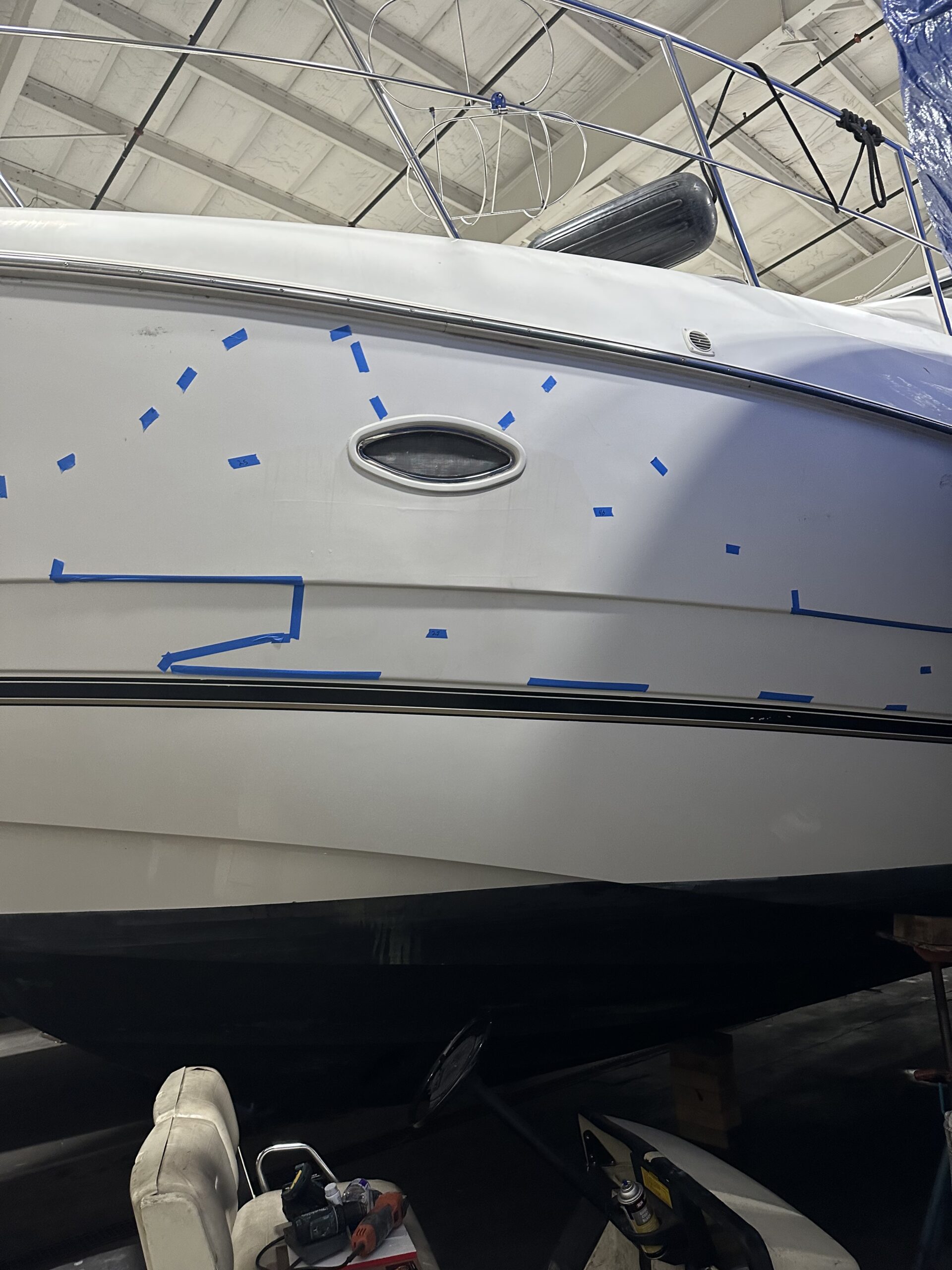
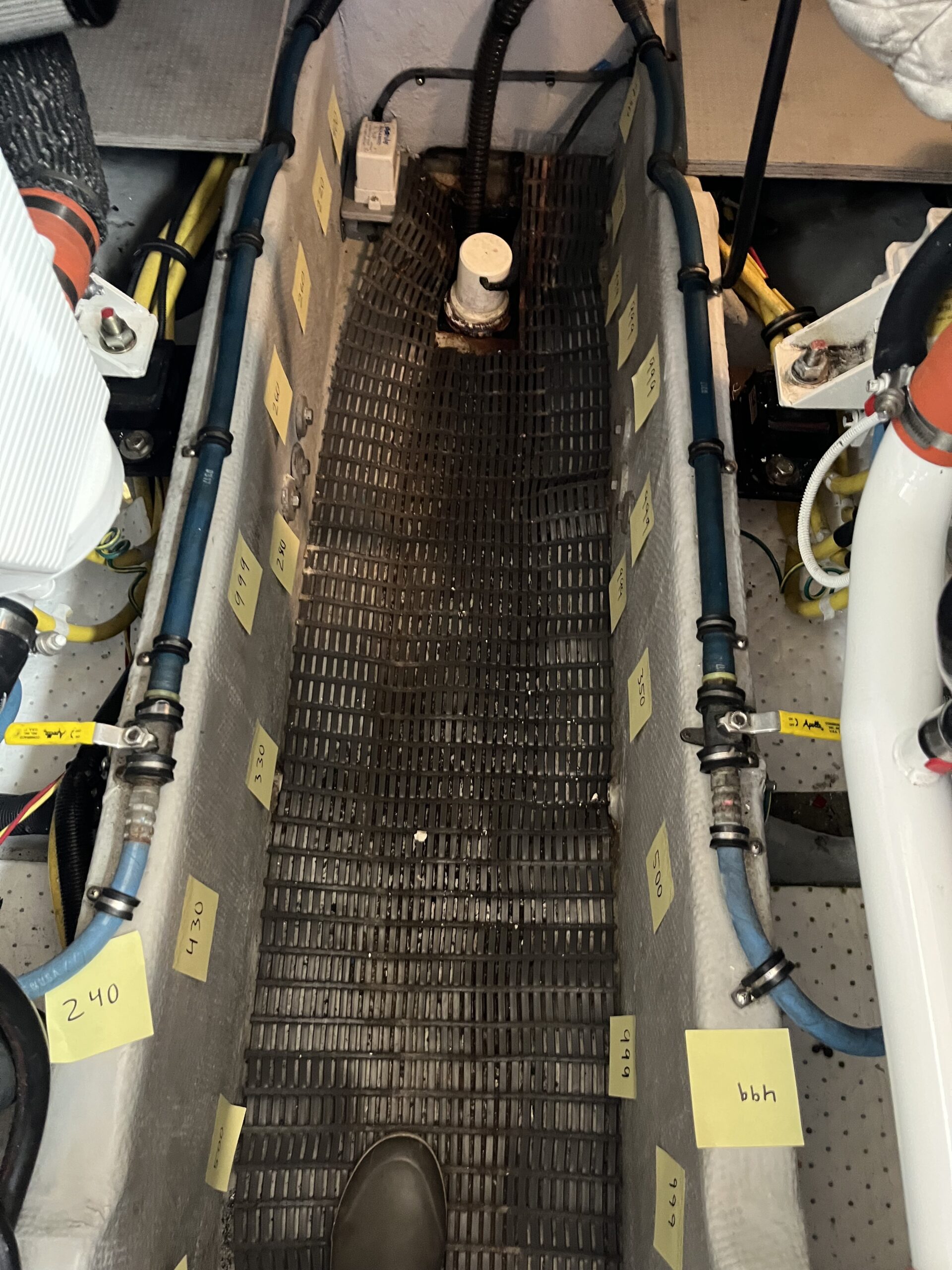
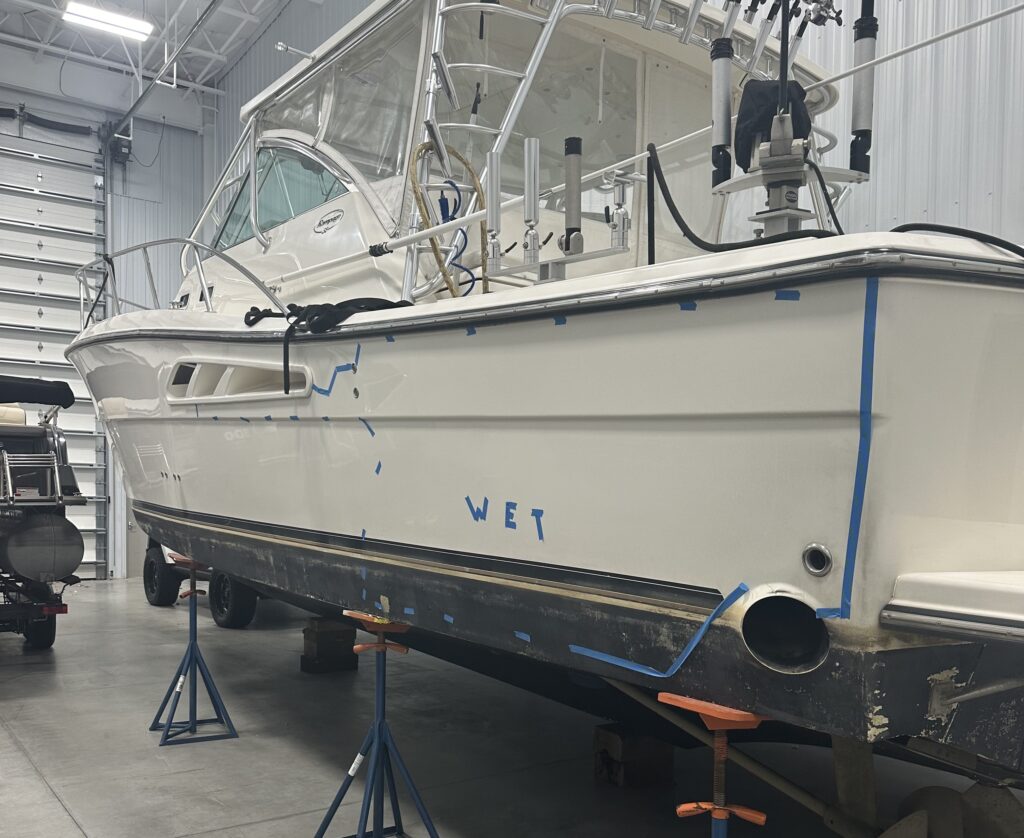
Next, you are going to label each area with the readings you got from your moisture meter. We recommend using blue painter tape for hull sides, bottoms, and decks. We recommend using sticky notes for stringers. See photos below.

Step 3: Take Small Core Samples (Optional)
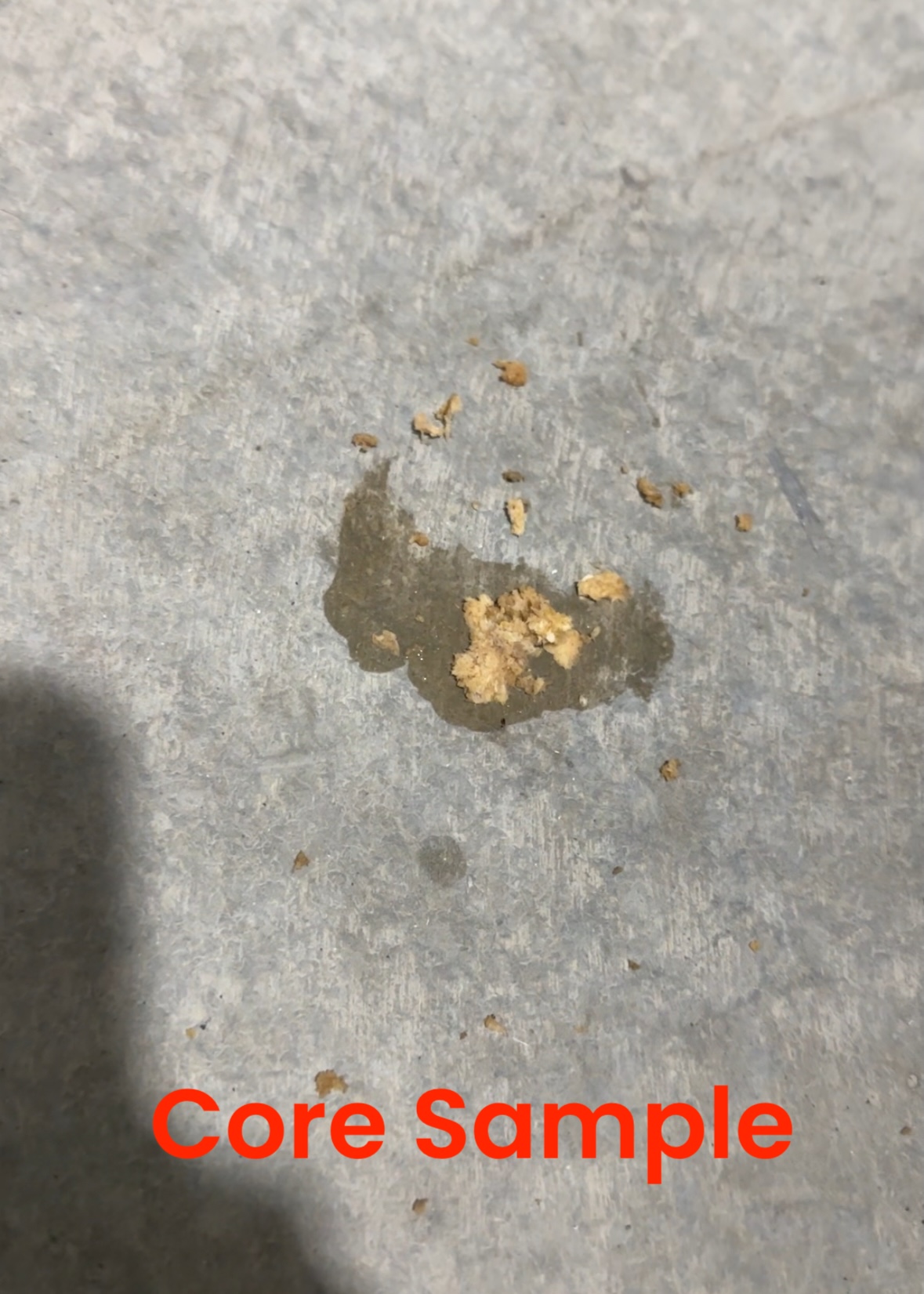
To confirm your findings from your moisture meter. Take a 3/16" or 1/4" drill bit and drill into the highest reading areas that the meter finds. Large core samples are not necessary. See photos below.

Step 4: Take Clear Photos
Take clear, high-quality photos, that shows us your findings. See example photos below.

Step 5: Take Clear Videos
Take clear, high-quality videos, that shows us your findings. Take your time here, so we can get the best view of the saturated area(s). See example videos below.

Step 6: Submit Your Moisture Mapping
Once your moisture mapping is complete, email your photos, videos and notes, to jace@dryboat.com and scott@dryboat.com, so our team can review and advise on the next steps.